 Admin
For generations, the Banarasi saree has been synonymous with the bridal trousseau. It is dense, rich and heavily brocaded, and it has usually been saved for the biggest day of a family’s calendar. After that, it often sits in a cupboard for years.
That seems a waste. Today’s social calendar is full of smaller moments: a housewarming, a Diwali dinner, an anniversary at home. These are exactly the occasions where Banarasi sarees can shine, as long as you wear them with a lighter hand.
The real obstacle is weight, not occasion
What holds most women back is bulk. Bridal Katan silk is genuinely heavy, and no one wants to serve dinner feeling weighed down. But the weaving clusters of Varanasi make a much wider range of cloth than the bridal image suggests.
Look at the base fabric
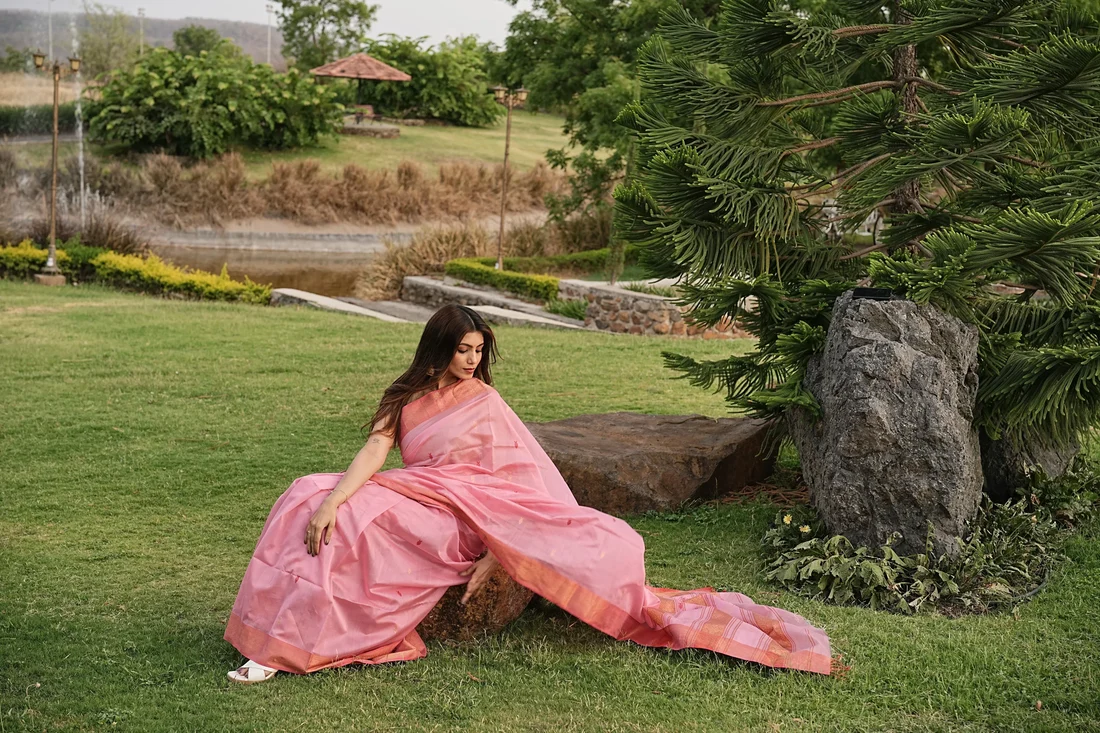
The easiest fix is to change the base. Banarasi weaves on georgette or sheer organza keep the classic zari motifs and the regal feel, but they drop a great deal of physical weight. You can move around a crowded living room, serve guests and sit comfortably without feeling you are wearing a ceremony.
Modernise the silhouette
When a saree is already richly woven, the styling around it should act as a counterweight. Instead of an equally ornate traditional blouse, try something clean. A solid raw silk crop top, a halter neck or a sharply tailored full sleeve velvet blouse can modernise the entire look. The contrast between a historic fabric and a simple cut is what makes it feel current and deliberate.
Practise restraint with jewellery
A richly woven saree is already doing the work of jewellery. Layer a heavy Kundan bridal set over it and the outfit slides straight back into wedding territory. For a smaller gathering, pick one statement piece: oxidised silver earrings, a slim pearl choker or a single emerald ring will do, and the weave can stay in front.
Where and when to wear it
A lighter Banarasi suits an evening Diwali dinner, a close family celebration or a formal anniversary. Think of it as a saree for occasions where you want to feel dressed up without feeling dressed for a stage.
A sample outfit for a Diwali dinner at home
Picture a Banarasi on a georgette base with fine zari motifs, worn with a plain raw silk crop top in a muted antique gold. Add antique oxidised silver earrings and nothing else on the neck. The saree supplies the richness, the blouse keeps it modern, and the restraint keeps it appropriate for a dining room rather than a banquet hall.
Buying well
Because Banarasi is so recognisable, imitations are common. Cheap power loom copies tend to lack the fluid drape and the metallic sheen of real handloom work, so check the finish of the zari and the way the fabric falls. Exploring a trusted selection of handloom silk sarees helps you see how different weights and bases behave before you buy.
Conclusion
A Banarasi is too good to wear once. Choose a lighter base, pair it with a clean, contemporary blouse and keep your jewellery to a minimum, and you will find it fits comfortably into smaller celebrations. The craftsmanship deserves more than a single appearance.