 Admin
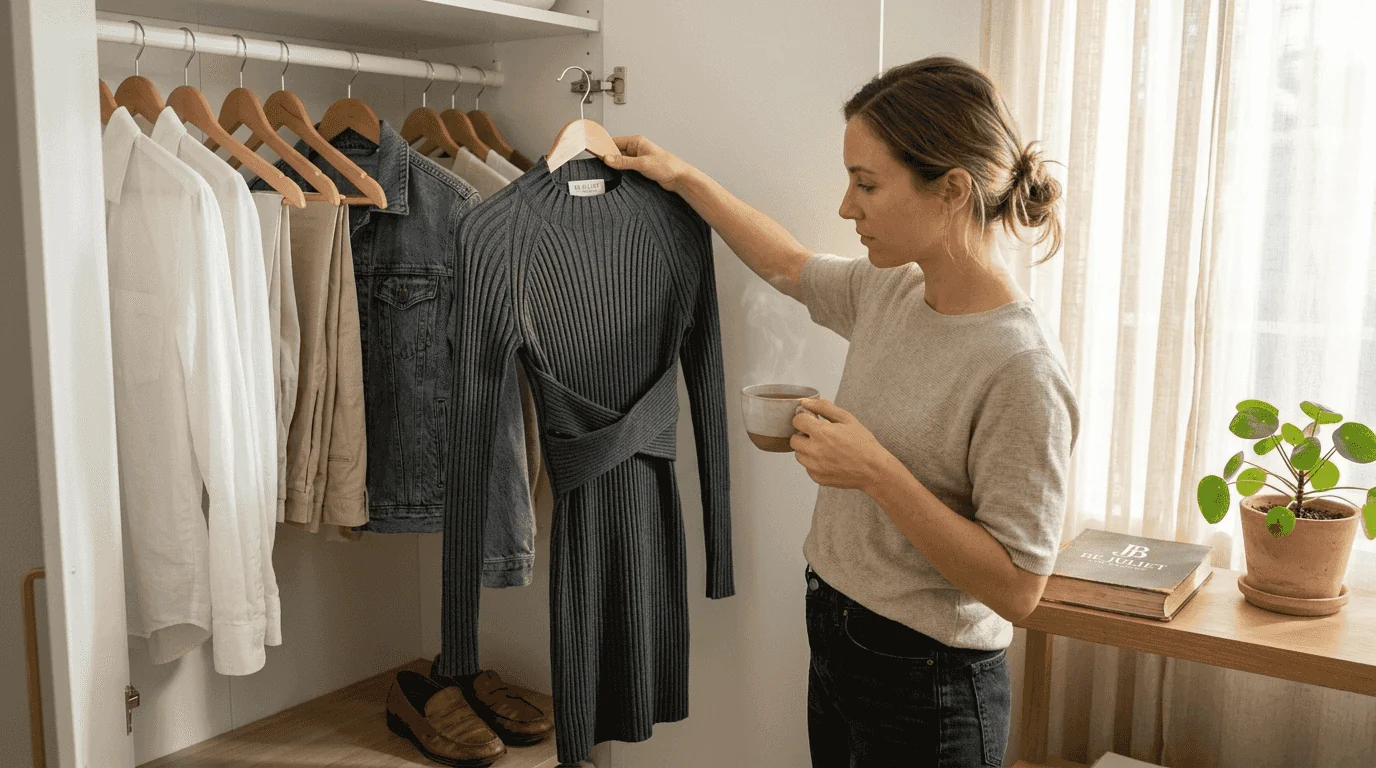
AdminStanding in front of a full closet and still feeling like you have “nothing to wear” — sound familiar? That frustration is exactly why the idea of a capsule wardrobe has taken off, and honestly, you don’t need a big budget to build one.
Quick answer: A capsule wardrobe on a budget typically includes 25-35 versatile pieces — basics in neutral colors, a few statement items, and shoes that pair with almost everything — bought gradually rather than all at once.
I switched to this approach about two years ago, mostly out of exhaustion with impulse shopping. It genuinely changed how I get ready in the morning.
Start With an Honest Closet Audit
Before buying anything new, go through what you already own. Separate into three piles: wear often, wear rarely, never wear. Be brutally honest here — sentimental attachment to a kurta you haven’t touched in two years doesn’t count.
Pick a Neutral Color Base
Neutrals are the backbone of any capsule wardrobe because they mix and match effortlessly.
- Black, white, beige, navy, and grey work with almost everything
- Add 2-3 accent colors you genuinely love wearing
- Avoid buying trend colors you’ll tire of in a season
The Core Pieces Everyone Needs
- A well-fitted pair of jeans (spend a little more here — fit matters)
- A crisp white shirt or kurta
- A versatile blazer or jacket
- Comfortable flats and one pair of heels
- A little black dress or its ethnic equivalent
Shop Sales Strategically, Not Impulsively
Quick answer: Shop end-of-season sales for basics you’ve already identified as gaps in your wardrobe, not for items that simply look good in the moment — impulse sale shopping is the fastest way to sabotage a capsule wardrobe budget.
I’ve broken this rule plenty of times. A “70% off” tag has power over good judgment more often than I’d like to admit.
Where to Shop Affordable Basics in India
Brands like Max, H&M, and even local market tailors offer solid basics without designer pricing. For ethnic wear, Fabindia and local boutiques often have better quality-to-price ratios than big online marketplaces.
Mixing High and Low Pieces
You don’t need every item to be expensive. Spend more on items you’ll wear weekly — like jeans or work shoes — and save on trend pieces you might retire in a year.
Accessories Do More Work Than You Think
A good scarf, a statement necklace, or a structured bag can make the same three outfits look like ten different looks. This is the cheapest way to expand a wardrobe’s range.
Seasonal Rotation Keeps It Manageable
Store off-season clothes separately. A capsule wardrobe works best when you’re only looking at pieces relevant to the current season — it reduces decision fatigue dramatically. [link to related guide on office outfit ideas here]
FAQ
How many pieces should a capsule wardrobe have? Most guides suggest 25-35 pieces including tops, bottoms, and outerwear, not counting accessories.
Is a capsule wardrobe boring? Not if you choose pieces you genuinely like — it’s about intentional variety, not sameness.
Can I include ethnic wear in a capsule wardrobe? Yes, especially for Indian audiences — a few versatile kurtas and one good saree work well.
How much money do I need to start? You can start with what you already own and add 5-10 pieces gradually over a few months.
Do I need designer brands for a capsule wardrobe? No, fit and versatility matter far more than brand names.
How often should I update my capsule wardrobe? Every 6 months is reasonable — assess what’s worn out or unused.
Conclusion
A capsule wardrobe isn’t about owning less for the sake of minimalism — it’s about owning things you’ll actually wear. Start small, audit what you have, and add pieces slowly instead of all at once. Your wallet and your mornings will both feel lighter.