 Admin
AdminHumidity and frizz have a toxic relationship, and most Indian cities offer plenty of both. Salon smoothening treatments work but come with a real cost, both financially and to hair health long-term. These frizz free hair tips focus on daily habits instead.
Quick answer: Frizz-free hair without salon treatments requires proper conditioning, avoiding hot water washes, using a microfiber towel instead of cotton, and applying leave-in serum on damp hair — these habits reduce frizz significantly within a few weeks.
Understanding Why Hair Frizzes in the First Place
Frizz happens when hair lacks moisture and the outer cuticle layer lifts, allowing humidity to penetrate unevenly. Understanding this makes the fixes below make more logical sense rather than feeling random.
Conditioning Is Non-Negotiable
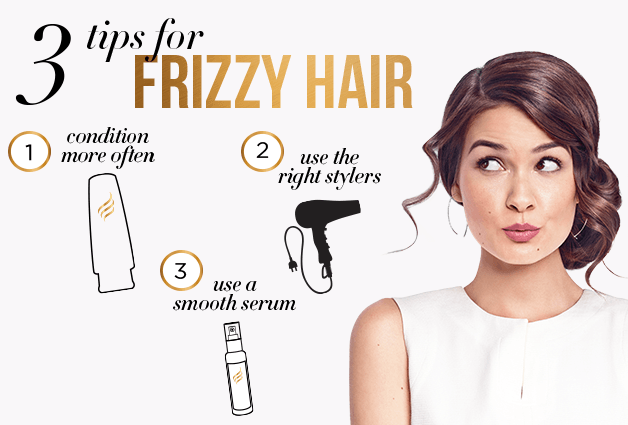
- Use conditioner every single wash, not just occasionally
- Focus application on mid-lengths and ends, not roots
- Leave conditioner on for at least 3-5 minutes before rinsing
Switch to Cold or Lukewarm Water
Hot water opens the hair cuticle further, worsening frizz and moisture loss. A final cold-water rinse after washing seals the cuticle and adds noticeable shine.
Microfiber Towels Over Cotton
Quick answer: Cotton towels create friction that roughens the hair cuticle and worsens frizz, while microfiber towels or old cotton t-shirts absorb water gently without disrupting the cuticle layer.
Never Skip Leave-In Products
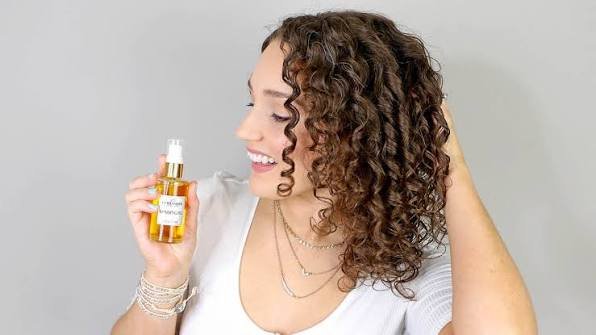
- Apply leave-in conditioner or hair serum on damp, towel-dried hair
- Focus on mid-lengths and ends, avoiding the scalp
- Comb through gently with a wide-tooth comb for even distribution
I ignored leave-in products for years, assuming they were unnecessary — switching this single habit made a bigger difference than any expensive shampoo I’ve tried.
Air-Drying vs Heat Styling
Air-drying is gentler overall, but complete air-drying in humid weather can actually cause more frizz than a quick, low-heat blow-dry with the right technique. Using a diffuser attachment helps significantly.
Weekly Deep Conditioning Masks
A hydrating hair mask, whether store-bought or a simple homemade version with yogurt and honey, once weekly, dramatically improves hair’s ability to resist humidity-induced frizz.
Silk or Satin Pillowcases
Cotton pillowcases create friction overnight that roughens hair cuticles similarly to cotton towels. Switching to silk or satin reduces this friction meaningfully, and it’s a one-time purchase, not an ongoing cost.
Choosing Sulfate-Free Shampoos
Sulfates strip natural oils aggressively, leaving hair drier and more frizz-prone over time. Sulfate-free formulas are gentler and increasingly available at reasonable prices in the Indian market now. [link to related hair fall control remedies guide here]
FAQ
Does hot water really cause more frizz? Yes, hot water lifts the hair cuticle more than cool water, increasing moisture loss and frizz.
How often should I deep condition my hair? Once weekly is generally sufficient for most hair types dealing with frizz.
Are silk pillowcases actually worth it? Yes, they reduce friction that causes frizz and hair breakage compared to cotton over time.
Can I air-dry hair completely in humid weather? It can work, but a quick low-heat diffuser dry sometimes controls frizz better in very humid conditions.
Is sulfate-free shampoo necessary for frizzy hair? It’s not mandatory but generally gentler and better for maintaining moisture in frizz-prone hair.
Do leave-in conditioners work for all hair types? Yes, though the amount used should be adjusted based on hair thickness and length.
Conclusion
Managing frizz doesn’t require expensive salon visits if you’re consistent with these frizz free hair tips — proper conditioning, gentler drying methods, and the right nighttime habits add up significantly over just a few weeks.