 Admin
AdminKorean beauty has influenced global skincare for years now, but the specific K-beauty trends gaining attention currently have shifted noticeably from the earlier “10-step routine” obsession toward something simpler and more targeted.
Quick answer: Current K-beauty trends include skin cycling with fermented ingredients, “glass skin” achieved through fewer, more targeted products, cushion compacts for everyday wear, and a growing focus on skin barrier repair over aggressive treatment.
The Shift Away From 10-Step Routines
Quick answer: K-beauty trends have moved away from lengthy 10-step routines toward simplified, 4-5 step approaches focused on hydration and barrier repair, reflecting broader skincare industry research on over-layering risks.
I remember when the 10-step routine felt mandatory to try. Most skincare experts now, including many Korean dermatologists themselves, actually recommend simplifying rather than layering endlessly.
Fermented Ingredients Taking Center Stage
- Fermented rice water and yeast extracts feature heavily in newer product launches
- These ingredients are believed to enhance absorption of other actives
- Often gentler than direct acid exfoliants for sensitive skin types
Glass Skin — Achieved Differently Now
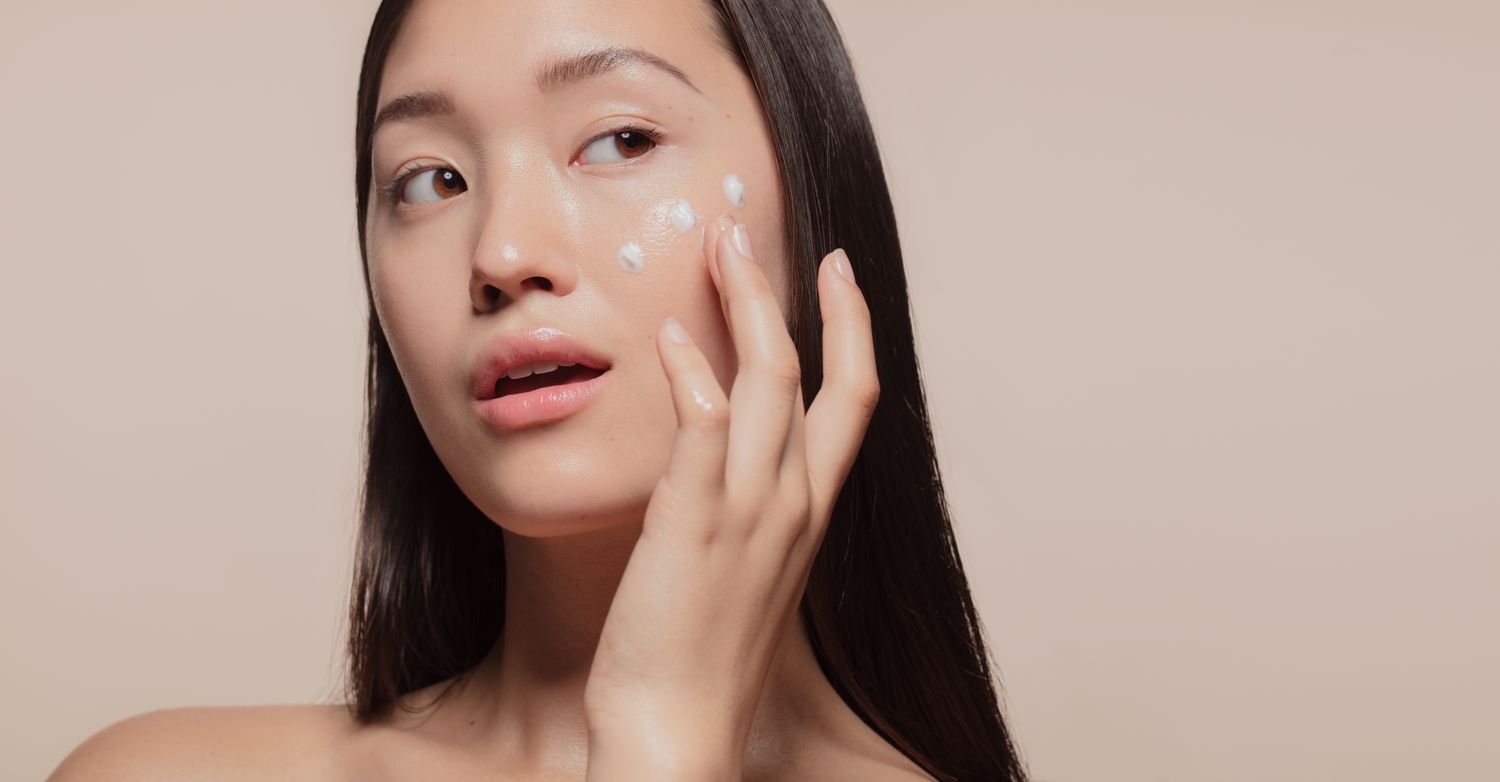
The “glass skin” aesthetic remains popular, but achieving it now leans more on skin health fundamentals — hydration, barrier repair, sunscreen — rather than heavy, multi-step routines.
Cushion Compacts Remain a Staple
- Lightweight, buildable coverage that suits daily wear
- Portable format ideal for touch-ups throughout the day
- Increasingly available from Indian and international brands, not just Korean originals
Skin Cycling as a Structured Approach
Skin cycling — alternating between active treatment nights and recovery nights — has gained significant traction, borrowing heavily from broader K-beauty philosophy around not overwhelming the skin barrier.
Rice-Based Ingredients Beyond Rice Water
Rice bran, rice extract, and related ingredients are appearing across serums and moisturizers, valued for gentle brightening and hydrating properties without harsh exfoliation.
Sunscreen Innovation Continues Leading
Korean sunscreen formulations remain widely regarded as some of the most cosmetically elegant globally — lightweight, non-greasy, layer well under makeup — and continue influencing global sunscreen formulation trends.
Adapting K-Beauty Trends for Indian Skin and Climate
Not every K-beauty product suits Indian humidity directly; heavier, glass-skin-focused creams sometimes need swapping for lighter, gel-based alternatives suited to hotter climates. [link to related skincare ingredients guide here]
FAQ
Is the 10-step K-beauty routine still relevant? Less so currently — simplified routines focusing on hydration and barrier repair are more commonly recommended now.
What is skin cycling exactly? Alternating between active treatment nights (retinol/exfoliants) and recovery nights (hydration-focused) to prevent over-treating skin.
Are Korean sunscreens better than other options? Many are praised for lightweight, elegant textures, though effectiveness depends on proper SPF and PA rating regardless of origin.
Do fermented skincare ingredients actually work? Some research supports enhanced absorption and gentleness, though results vary by specific formulation and individual skin.
Is glass skin achievable for all skin types? The aesthetic is achievable to varying degrees, though oily or acne-prone skin may need adjusted approaches for a similar effect.
Should I switch entirely to K-beauty products? Not necessarily — combining effective K-beauty concepts with products suited to your specific climate and skin type often works best.
Conclusion
Current K-beauty trends reflect a broader shift toward simplicity and skin barrier health, moving past the extensive routines that once defined the category. Borrow the philosophy — less but more effective — rather than feeling obligated to buy an entirely new K-beauty shelf.