 Admin
AdminStarting yoga often feels intimidating — everyone online seems impossibly flexible, doing poses that look physically impossible. This yoga routine for beginners skips all that pressure and focuses on something simpler: building consistent energy and flexibility, one basic pose at a time.
Quick answer: A beginner yoga routine for daily energy should include 15-20 minutes of simple poses like Cat-Cow, Child’s Pose, Sun Salutations, and gentle twists — practiced consistently, this builds flexibility and energy without needing advanced flexibility upfront.
Why Beginners Shouldn’t Rush Into Advanced Poses
Jumping into complex poses without foundational strength and flexibility often leads to injury, not progress. I made this mistake early on, attempting poses I saw online without proper preparation.
Starting With Breath Awareness
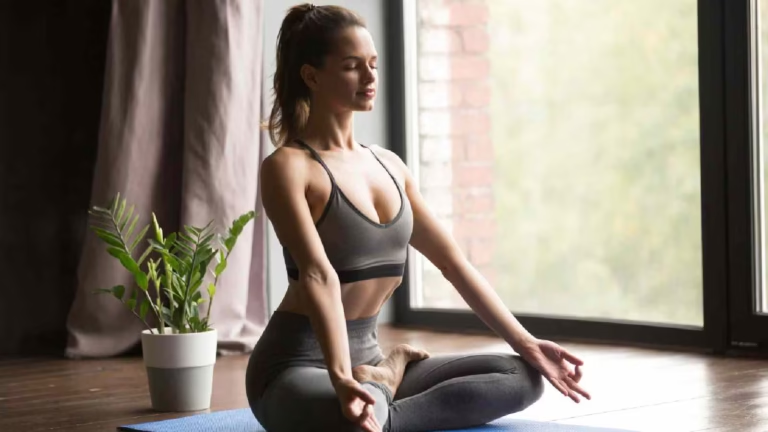
Before any poses, spending 2-3 minutes simply observing your breath sets a calmer, more focused tone for the entire practice — often skipped by beginners eager to “get to the poses.”
Cat-Cow for Gentle Spine Warm-Up
- Start on hands and knees, wrists under shoulders
- Inhale, arch back gently (Cow), lift chest and tailbone
- Exhale, round spine (Cat), tuck chin and tailbone
- Repeat for 8-10 breaths
Sun Salutations for Building Energy
Quick answer: Sun Salutations (Surya Namaskar) combine multiple poses in a flowing sequence that warms the entire body, builds strength gradually, and is considered one of the most effective yoga sequences for building daily energy.
- Start standing, hands at heart center
- Flow through forward fold, plank, cobra, and back to standing
- Repeat 3-5 rounds, moving slowly as a beginner
Child’s Pose for Rest Between Poses
This resting pose between more active sequences allows breath to settle and prevents beginners from feeling overwhelmed or overly fatigued early in a practice.
Gentle Twists for Digestion and Energy
Seated spinal twists, held for 5-6 breaths on each side, support digestion and gently energize the body without requiring significant flexibility.
Building a Consistent Practice Time
Morning practice tends to energize the day ahead, while evening practice helps unwind — either works, but consistency in timing helps build the habit more reliably than sporadic practice.
Common Beginner Mistakes to Avoid
- Forcing flexibility instead of allowing gradual progress
- Holding breath during poses instead of breathing naturally
- Comparing your practice to advanced practitioners online
Progressing Gradually Without Pressure
Quick answer: Beginners should focus on consistency over intensity for the first 4-6 weeks — adding new poses gradually only after feeling comfortable and strong in foundational ones, rather than rushing progression. [link to related stress reduction guide here]
FAQ
How long should a beginner yoga session be? 15-20 minutes is a good starting point; duration can increase gradually as comfort builds.
Do I need special equipment to start yoga? Just a mat is genuinely enough; props can be added later if helpful.
Can yoga really improve energy levels? Yes, regular practice improves circulation and reduces stress, both of which support better energy levels.
Is it normal to feel stiff as a beginner? Yes, this is completely normal and improves gradually with consistent, gentle practice.
Should beginners do yoga every day? 3-4 times weekly is a reasonable, sustainable starting frequency for most beginners.
What time of day is best for yoga practice? Whatever time you can practice consistently — morning for energy, evening for winding down.
Conclusion
This yoga routine for beginners works precisely because it doesn’t demand flexibility you don’t have yet. Start with these basic poses, stay consistent for a few weeks, and let progress happen naturally rather than forcing it.